


By Agabi Chubiyojo Charis
I read with keen interest Dr. Ejiro Ofoye’s insightful article, “Worsening Insecurity in Nigeria: What Panacea?”, published in Vanguard on June 9, 2026. The write-up presents a timely and thought-provoking examination of one of the gravest challenges confronting Nigeria today and deserves commendation for drawing attention to an issue that affects every citizen, regardless of region, ethnicity, or social status.
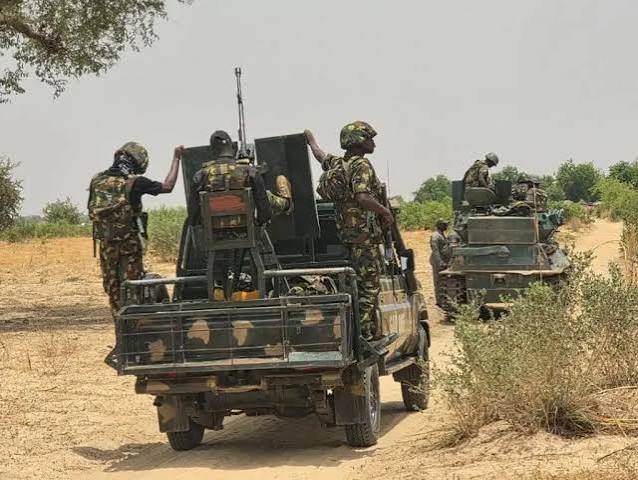
Dr. Ofoye aptly captures the reality that insecurity has become an unsettling feature of everyday life for millions of Nigerians. From recurring incidents of kidnapping and banditry to terrorist attacks, communal conflicts, and the displacement of innocent citizens, the security situation continues to generate fear, uncertainty, and anxiety across the country.
His central argument that no nation can achieve meaningful development when its people live in constant fear is both compelling and undeniable. What particularly resonated with me was the author’s emphasis on the human cost of insecurity. Beyond statistics, security reports, and newspaper headlines are real people whose lives have been disrupted by violence.
There are parents who fear sending their children to school, farmers unable to cultivate their lands, traders whose livelihoods have been crippled, and families mourning loved ones lost to senseless attacks. These realities remind us that insecurity is not merely a law-enforcement challenge; it is also a humanitarian, social, and economic crisis.
I share the author’s view that Nigeria must move beyond reactive responses and adopt a more proactive, intelligence-driven approach to national security. Modern security challenges require modern solutions. Technology-assisted surveillance, enhanced intelligence gathering, inter-agency collaboration, improved border management, and community-based policing should form the foundation of any comprehensive security strategy.
Equally important is ensuring that security personnel are adequately trained, properly equipped, and well motivated to discharge their duties. But while the government bears the constitutional responsibility of protecting lives and property, that should not rest solely on the shoulders of security agencies. Citizens also have an indispensable role, as communities are often the first to observe suspicious movements and emerging threats.
In addition, building trust between citizens and security institutions can significantly improve intelligence gathering and early warning systems. When residents feel confident that information provided to authorities will be acted upon professionally and confidentially, cooperation becomes easier and more effective.
The underlying drivers of insecurity must be confronted, too. On this point, I strongly agree with Dr. Ofoye. Poverty, unemployment, illiteracy, and social exclusion continue to create fertile ground for criminal recruitment and violent extremism. Many young people, particularly in vulnerable communities, are drawn into criminal activities because they perceive limited opportunities for legitimate advancement.
Addressing these root causes requires sustained investment in education, job creation, entrepreneurship, vocational training, and rural development. A young person with access to quality education and employment is far less likely to be attracted to criminal networks or extremist groups. In this regard, economic empowerment should be viewed not merely as a development strategy but as a critical component of national security.
Furthermore, political leaders must demonstrate greater commitment to accountability and good governance. Citizens will support security initiatives when they have confidence in public institutions and believe that resources allocated for security are being used effectively. Transparency, responsible leadership, and institutional integrity remain essential ingredients in the quest for lasting peace and stability.
Despite the challenges, I remain optimistic about Nigeria’s future. Our country has overcome major trials in the past and possesses the human, institutional, and material resources to address its current security challenges. What is required is political will, strategic planning, efficient implementation, and sustained collaboration among government, security agencies, traditional institutions, civil society organizations, and citizens.
Ultimately, Dr. Ofoye’s article serves as a powerful reminder that security is the bedrock upon which all other aspects of national development depend. Without peace, investments decline, businesses suffer, education is disrupted, and social progress becomes difficult to achieve. The call to action is therefore clear.
Government must strengthen security architecture and address the socioeconomic conditions that fuel violence, while citizens must embrace their responsibilities as partners in safeguarding their communities. Only through collective effort, shared responsibility, and unwavering commitment can Nigeria build a safer, more secure, and more prosperous future.
Agabi Charis, a PRNigeria Intern, is a student of Information and Media Studies at Yakubu Gowon University, Abuja; [email protected]
Source: Vanguard
