



Tackling Rising Drug Abuse in Nigerian Universities
By Osikale Ahleeyah Adetomiwa
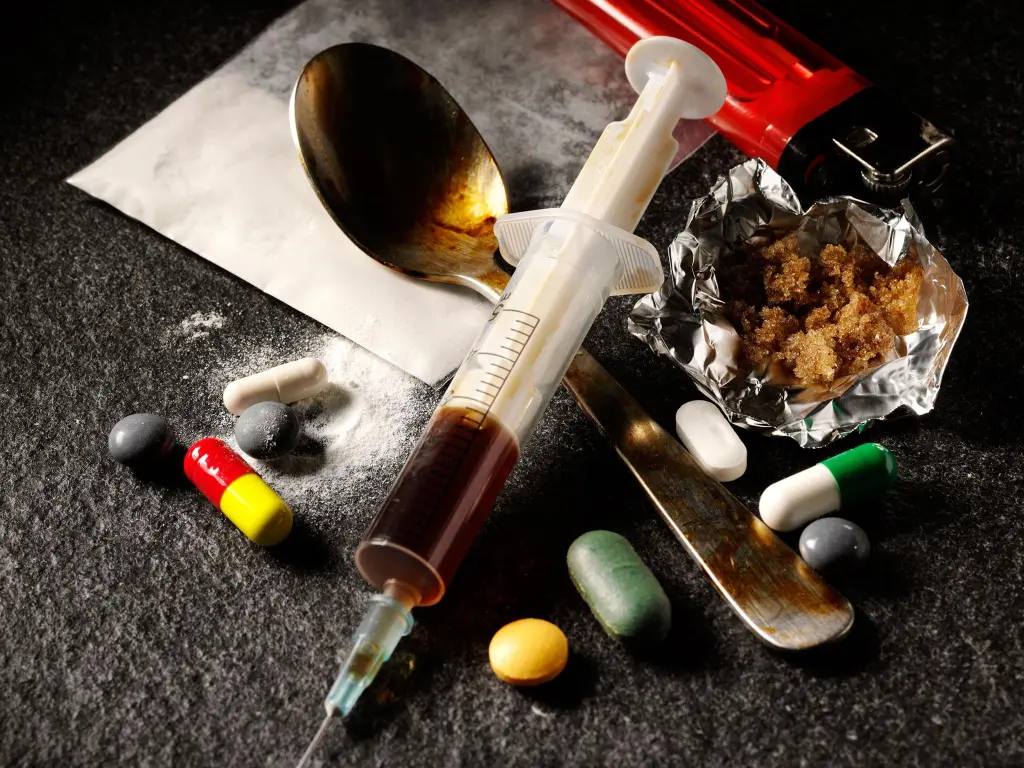
Imagine a student, once the pride of his home or community, who arrived at the university with nothing but a box of books and a dream to become an engineer. By his second year, the pressure to stay awake for exams and the subtle nudges from “cool” friends led him to a small colorful pill.
Fast forward to a few months later, and that same student is found disoriented behind a lecture hall, eyes glazed and speech slurred, unable to remember his own matriculation number. He is not a criminal; he is a casualty of the silent epidemic called drug abuse.
The recent arrest of six individuals during a targeted operation by the National Drug Law Enforcement Agency (NDLEA) around the Bayero University Kano (BUK) vicinity serves as a wake-up call that this story is becoming far too common across our campuses.
This operation highlights a growing crisis within our educational institutions and broader society, serving as a reminder of the devastating impact that narcotics can have on a student’s health, academic journey, and professional future.
Drug abuse has become alarmingly common among young people, often fueled by peer pressure, depression, curiosity, and a misguided desire to fit into specific social circles. Many students experiment with substances without fully grasping the long-term consequences on their physical well-being and cognitive abilities.
Furthermore, the infiltration of drug-related activities into the immediate school environment threatens the safety and moral standards that educational institutions are meant to uphold.
To address this, schools should consider moving beyond conducting drug tests only during the admission process. It is necessary to implement regular, periodic, and unannounced testing while students are enrolled.
Many students enter the university drug-free but succumb to external pressures or academic stress later in their journey. Regular screening could help identify struggling students early, allowing for timely intervention through professional counseling and support before their situations become irreversible. Such an initiative can also serve as a deterrent.
Education remains our most powerful tool in this fight. Many young people engage in substance abuse simply because they are not fully aware of the dangers involved. Therefore, schools, parents, religious organizations, and the government must collaborate to organize consistent seminars, workshops, and awareness campaigns.
Social media platforms, which are central to youth culture, should also be leveraged to spread awareness and promote healthy, drug-free lifestyles.
Additionally, security measures around school campuses must be significantly bolstered to curb the buying and selling of illicit substances because drug peddlers frequently target students due to the fact that they are easily influenced by social dynamics.
Schools and security agencies must forge a closer partnership to dismantle the supply chains that operate in the shadows of our campuses.
The arrests in the BUK area should serve as a reminder for everyone that drug abuse is not an isolated problem; it is a societal challenge that requires a collective response. Students must be empowered to make informed, positive decisions, while the community continues to provide the necessary education and support.
If all stakeholders work together, Nigeria can secure a safer and more promising future for its students.
Osikale Ahleeyah Adetomiwa is a student of Advertising and Public Relations at Yakubu Gowon University, Abuja, and an intern with IMPR. She can be reached via: [email protected]
Source: Health Digest
