




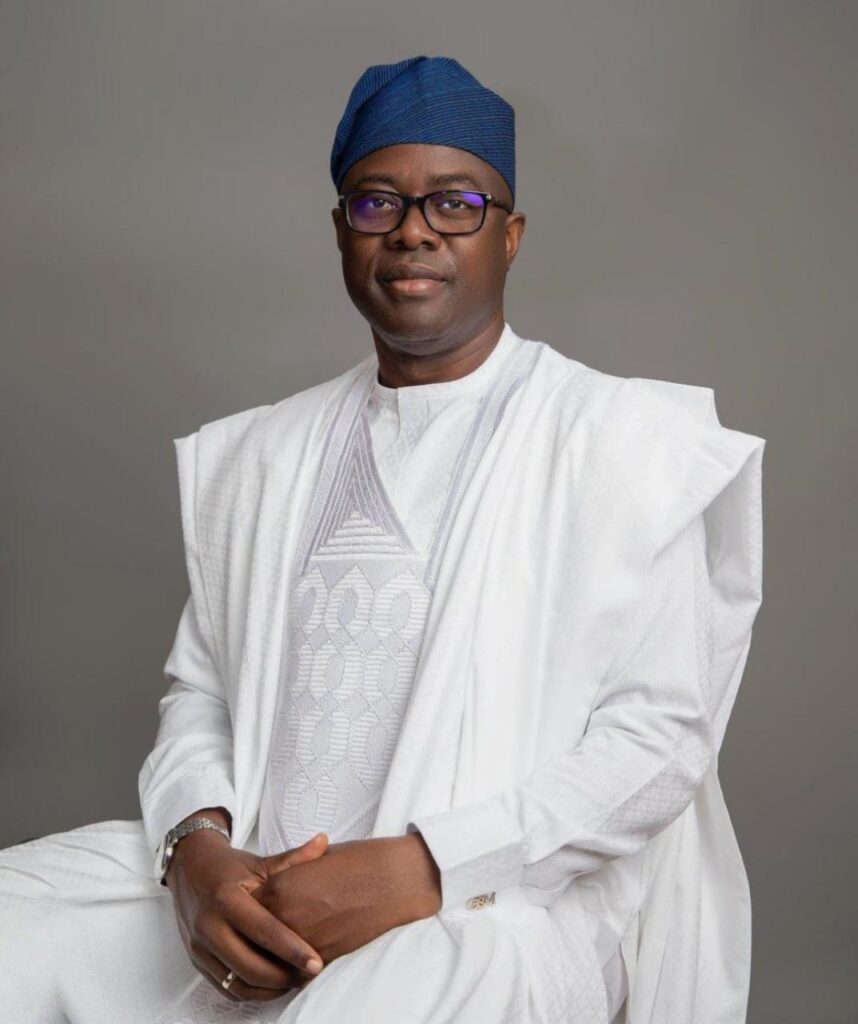
Makinde, the Presidency and the Oyo Kidnap Debate
By 𝙹𝚊𝚖𝚒𝚞 𝙰𝚋𝚍𝚞𝚕𝚐𝚊𝚏𝚊𝚛
The abduction in Oyo State on May 15, 2026, when armed bandits stormed schools in Oriire Local Government Area and kidnapped thirty-nine pupils and six teachers, marked yet another dark chapter in Nigeria’s struggle with insecurity. The victims endured fifty-six harrowing days in captivity before being rescued in a joint operation involving the Nigerian Army, DSS, Police, Amotekun, and other agencies.
Their release in mid-July was celebrated as a victory, but it also exposed deep fissures in the political and security landscape. Governor Seyi Makinde, while receiving the victims, called for a United Nations probe into the incident, arguing that the unusual circumstances demanded impartial scrutiny. His position reflected citizens’ growing concerns about transparency, accountability, and whether Nigeria’s institutions can credibly investigate such crises.
The Presidency, however, sharply criticised Makinde’s call, warning that inviting external bodies could undermine Nigeria’s sovereignty and portray its security institutions as incapable of handling their own affairs. This clash between state and federal leadership turned what should have been a moment of collective relief into a political battlefield.
Citizens, meanwhile, remain caught in the middle. For them, the priority is not political point-scoring but assurance that schools are safe, that investigations are impartial, and that justice will be delivered. Public confidence in security agencies depends on professionalism and transparency, and when these are lacking, calls for international intervention grow louder.
The debate illustrates two competing imperatives. On one hand, Nigeria must strengthen its constitutional institutions, law enforcement agencies, and judicial mechanisms rather than bypass them. On the other, citizens deserve credible investigations whenever lives are endangered, and if domestic processes are perceived as compromised, external oversight becomes attractive.
What is most troubling is that political exchanges often overshadow the plight of victims and their families, who continue to seek healing and reassurance that such incidents will not recur.
The lesson from Oyo is clear: security should unite leaders, not divide them. Federal and state governments must move beyond rhetoric to practical solutions, improving intelligence sharing, investing in community policing, strengthening emergency response systems, and dismantling criminal networks responsible for kidnappings. Security is a shared responsibility that requires cooperation across all levels of government.
Nigerians will ultimately judge their leaders not by the sharpness of their public statements but by their ability to protect lives and restore confidence in the nation’s security architecture.
Whether through internal investigations or international cooperation where legally appropriate, the priority must always remain the safety of citizens and the credibility of institutions. This incident should serve as a reminder that unity of purpose in matters of security is far more valuable than political rivalry.
𝙹𝚊𝚖𝚒𝚞 𝙰𝚋𝚍𝚞𝚕𝚐𝚊𝚏𝚊𝚛 𝚘𝚕𝚊𝚖𝚒𝚕𝚎𝚔𝚊𝚗 𝚒𝚜 𝚊 𝚜𝚝𝚞𝚍𝚎𝚗𝚝 𝚘𝚏
𝚂𝚝𝚛𝚊𝚝𝚎𝚐𝚒𝚌 𝚌𝚘𝚖𝚖𝚞𝚗𝚒𝚌𝚊𝚝𝚒𝚘𝚗 𝚊𝚝 𝚈𝚊𝚔𝚞𝚋𝚞 𝙶𝚘𝚠𝚘𝚗 𝚄𝚗𝚒𝚟𝚎𝚛𝚜𝚒𝚝𝚢, 𝙰𝚋𝚞𝚓𝚊.
𝚓𝚊𝚖𝚒𝚞𝚊𝚋𝚍𝚞𝚕𝚐𝚊𝚏𝚊𝚛510@𝚐𝚖𝚊𝚒𝚕.𝚌𝚘𝚖
