



Abacha’s Legacy: Why the Truth Must Endure
By Sheena Haruna
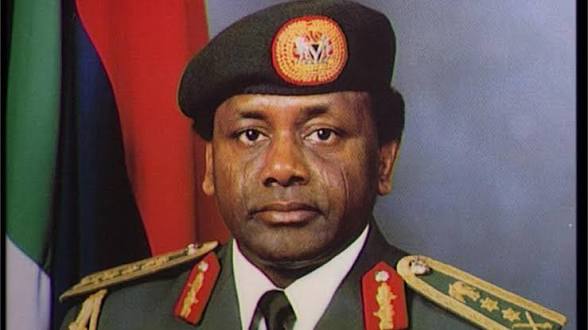
The editorial, Dark Recollections of Abacha’s Terror Regime, published on Page 8 of The Punch on 31 July 2026, is more than a reflection on a painful chapter in Nigeria’s history; it is a timely warning against collective amnesia. Though I was not born during General Sani Abacha’s rule, history books, documentaries, archival newspaper reports, and the compelling accounts of those who lived through that era have provided a vivid picture of one of the most repressive periods in Nigeria’s democratic journey. Their stories remind my generation that freedom, democracy and human rights were secured through immense sacrifice and should never be taken for granted.
I therefore agree wholeheartedly with the editorial’s position that Nigerians must resist every attempt to sanitize or rewrite the history of military dictatorship. The memories of arbitrary arrests, detention without trial, suppression of the press, political assassinations, forced exile of pro-democracy activists and widespread violations of fundamental human rights are too significant to be erased by nostalgia or selective recollections.
One of the stories that has remained with me is how many Nigerians openly celebrated the announcement of Abacha’s death in June 1998. While rejoicing over another person’s death is morally troubling, that reaction reflected the depth of frustration, fear and hopelessness experienced under the regime. It was less a celebration of death than an expression of relief by a people yearning for freedom after years of repression.
The editorial rightly reminds readers that history should not be manipulated to suit contemporary political narratives. Journalists, activists, labour leaders, politicians, students and ordinary citizens paid dearly for demanding democratic governance. Many were imprisoned, tortured, forced into exile or lost their lives simply because they exercised their right to speak. These are not exaggerated tales but documented historical realities that future generations must continue to study and remember.
The greatest lesson from the Abacha years is that democracy must never be taken for granted. While democratic governance is not without its shortcomings, it provides avenues for accountability, freedom of expression, judicial oversight and citizen participation. Military rule, by contrast, concentrates enormous power in a few hands, often leaving little room for dissent or institutional checks. Whenever power operates without accountability, abuse becomes almost inevitable.
The editorial also deserves commendation for cautioning against efforts to romanticize military rule. It is true that some people point to certain infrastructure projects, economic decisions or security measures undertaken during military administrations. However, no developmental achievement can justify the systematic violation of human rights or the silencing of opposing voices. History demands honesty, not selective remembrance.
As a member of a generation born after military rule, I believe young Nigerians have a responsibility to study the country’s political evolution. Understanding the sacrifices of pro-democracy advocates helps us appreciate the liberties we enjoy today and inspires us to protect democratic institutions rather than treat them with indifference. Civic education and historical literacy remain indispensable for safeguarding Nigeria’s democratic future.
Equally important is the need to honour the memories of those who suffered under authoritarian rule. Many families lost loved ones, livelihoods and opportunities because they stood on the side of justice. Remembering them is not about nurturing bitterness or seeking vengeance; it is about acknowledging the truth, preserving their sacrifices and ensuring that such abuses never recur.
The media also deserves recognition for preserving Nigeria’s historical memory. Newspapers such as The Punch continue to remind citizens of defining moments in the nation’s history. By documenting events, challenging revisionist narratives and promoting informed public discourse, the press performs one of its most vital democratic responsibilities. Without an independent media, many painful but important lessons of history could easily fade into obscurity.
That said, discussions about Nigeria’s past should remain factual, balanced and evidence-based. Every administration, civilian or military, should be assessed objectively, acknowledging genuine achievements while condemning actions that undermined constitutional governance and fundamental rights. Honest history strengthens national consciousness; distorted history weakens it.
Ultimately, the editorial reminds us that democracy extends beyond periodic elections. Respect for the rule of law, protection of civil liberties, judicial independence, transparency, accountability and freedom of the press are the pillars upon which any enduring democracy rests. Both leaders and citizens share the responsibility of defending these values.
In conclusion, Dark Recollections of Abacha’s Terror Regime is a timely and necessary editorial. It reminds Nigerians that preserving historical truth is essential to protecting democracy. Though my understanding of that era comes from documented history and the testimonies of those who witnessed it firsthand, the lessons are unmistakable. A nation that forgets its past risks repeating it. Nigeria must therefore continue to honour the sacrifices of those who fought for freedom, reject every attempt to whitewash authoritarian rule, and remain steadfast in its commitment to democracy, justice, the rule of law and respect for the dignity of every citizen.
Sheena Haruna is a 300L Mass Communication Students, Birmingham University, Currently an intern with IMPR.
