



Preventing Flood Disasters Demands Collective Action
By Agabi Chubiyojo Charis
I read with keen interest the editorial titled “Floods: The Worst Is Yet to Come,” published in The Punch of July 14, 2026 (Page 18).
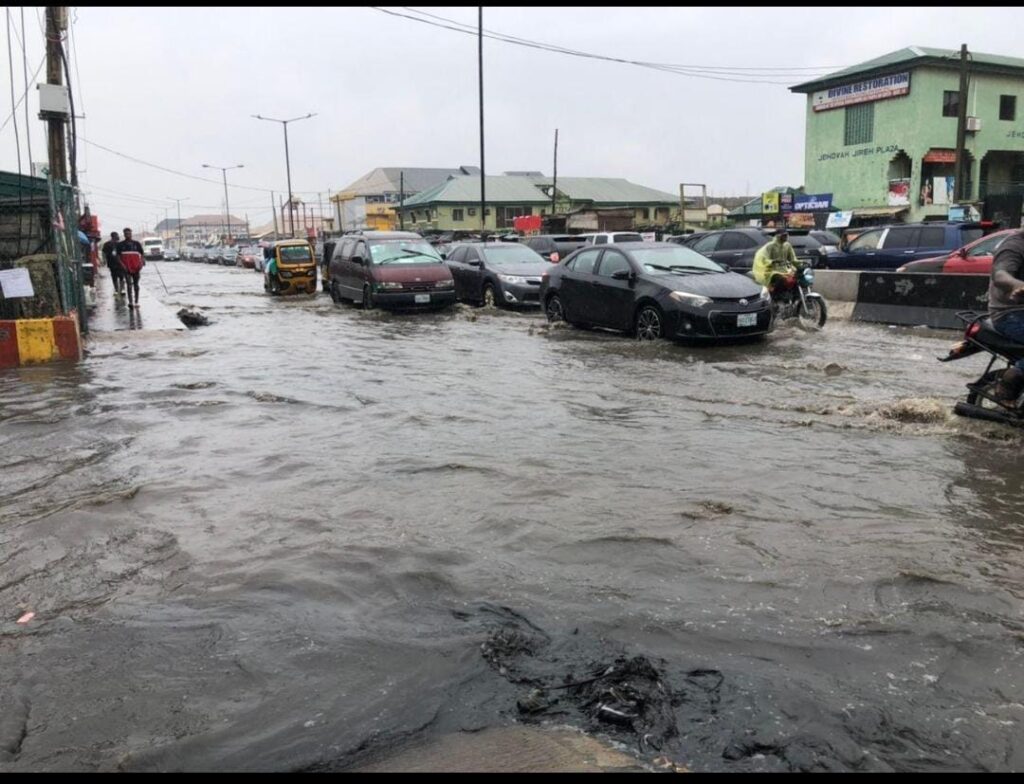
The editorial provides a timely and sobering assessment of the flood crisis confronting Nigeria. By highlighting the recurring loss of lives, destruction of property, displacement of communities, and the apparent failure of authorities to act decisively despite repeated warnings from meteorological and emergency management agencies, it draws attention to an issue that has become a national concern.
Indeed, the increasing frequency and severity of flooding across the country underscore the urgent need for proactive rather than reactive measures. Year after year, forecasts from relevant agencies warn of impending floods, yet many communities remain vulnerable due to inadequate infrastructure, poor urban planning, and weak enforcement of environmental regulations. In this regard, the editorial is right to demand greater accountability from government at all levels.
However, while government bears primary responsibility for disaster prevention and mitigation, the conversation should not end there. Flood management is most effective when it is approached as a shared responsibility involving both public institutions and citizens.
Across many parts of Nigeria, human activities continue to aggravate flooding. The indiscriminate disposal of refuse into drainage channels, illegal structures erected on waterways and floodplains, and widespread disregard for environmental and building regulations often obstruct the natural flow of water and increase the likelihood of flooding during heavy rainfall. These practices diminish the effectiveness of public infrastructure and compound the impact of extreme weather events.
Consequently, efforts to address flooding must extend beyond the construction of dams, canals, retention basins, and drainage systems. Governments should intensify public awareness campaigns on environmental stewardship, strengthen early warning and emergency response mechanisms, and ensure the consistent enforcement of physical planning and environmental laws. At the same time, communities should be encouraged to take ownership of their environment through regular sanitation exercises and responsible waste management practices.
The challenge is further complicated by climate change, which has altered rainfall patterns and increased the occurrence of extreme weather events worldwide. This reality makes preparedness, resilience, and adaptation more critical than ever. Rather than waiting for disasters to occur before mobilising relief materials, policymakers must prioritise long-term flood control measures, climate adaptation strategies, and sustainable urban development.
The recurring flood disasters witnessed across Nigeria demonstrate that emergency interventions alone are insufficient. What is required is a comprehensive and coordinated approach involving federal, state, and local governments, development partners, community leaders, and citizens.
Ultimately, preventing future flood disasters will require political will, effective implementation of existing policies, adequate funding for critical infrastructure, and a collective commitment to responsible environmental practices. Only through such a holistic approach can Nigeria reduce the devastating human and economic costs of flooding and build more resilient communities.
Agabi Chubiyojo Charis is a 300-Level Information and Media Studies student at Yakubu Gowon University and currently interns at Image Merchants Promotion Limited (IMPR). He can be reached via [email protected].
