



Why NYSC Needs More Than Cosmetic Changes
By Akinkunmi Aliyah Omotayo
For over five decades, the National Youth Service Corps (NYSC) has served as a bridge between higher education and the world of work for millions of Nigerian graduates. As the Federal Government proposes what could become one of the most far-reaching reforms of the scheme in recent years, the conversation should go beyond uniforms and camp routines to the programme’s real purpose, preparing young Nigerians for productive national service and employment.
The proposed reforms, unveiled by the Minister of Education, Dr. Tunji Alausa, following a meeting with the NYSC Director-General in Abuja, include replacing military camp leadership with civilian administrators, redesigning the NYSC uniform, and extending the orientation course from three to six weeks with greater emphasis on vocational and employability training. Although these proposals are yet to receive final approval, they have already generated widespread public debate.
The reforms acknowledge genuine shortcomings in the current scheme. However, unless they are backed by adequate funding, improved infrastructure and effective implementation, they risk becoming cosmetic changes that fail to address the programme’s deeper challenges.
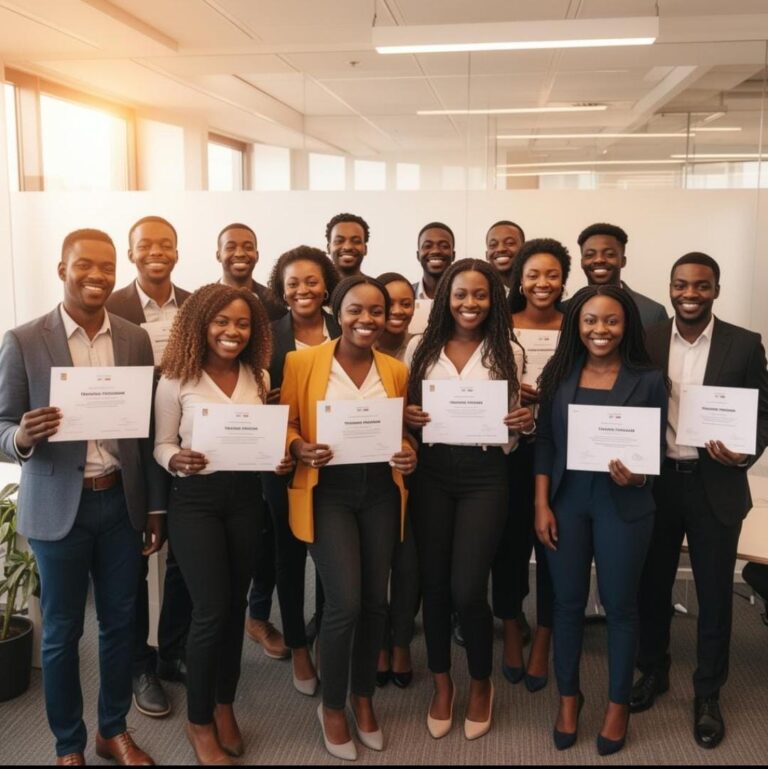
Extending the orientation programme to six weeks appears promising, particularly if it equips corps members with practical skills that improve their employability or support entrepreneurship. Yet, simply adding three more weeks to the calendar will not automatically produce better outcomes. Vocational training must be relevant, hands-on and linked to recognised certifications, mentorship opportunities and access to business support. Otherwise, the additional weeks may amount to little more than an extended camp experience.
The proposal to replace military leadership with civilian administrators also deserves careful consideration. For decades, military personnel have played a key role in maintaining discipline, organisation and security during orientation camps. At the same time, many have argued that the military style approach often overshadows the developmental objectives of the scheme. Whether camps are managed by military officers or civilian administrators should not be the central issue. What matters is competent leadership, transparent administration and a genuine commitment to the welfare and development of corps members.
Perhaps the greatest challenge confronting the NYSC today lies not in its structure but in its facilities. Many orientation camps continue to struggle with inadequate accommodation, poor sanitation, unreliable water supply, overcrowding and limited healthcare services. Extending the duration of camp activities without first addressing these deficiencies could place an even greater burden on corps members. Reform must begin with creating an environment that is safe, functional and conducive to learning.
The NYSC remains one of Nigeria’s most important national institutions, promoting unity while exposing graduates to diverse cultures and communities. Yet, in today’s rapidly changing economy, the scheme must evolve beyond ceremonial drills and parade routines. It should become a platform that equips young Nigerians with practical skills, digital competencies, entrepreneurial knowledge and workplace experience that remain valuable long after their service year ends.
Ultimately, the success of the proposed reforms will not be measured by redesigned uniforms or longer orientation exercises. It will be judged by whether corps members leave the programme better prepared for employment, entrepreneurship and national development. Real reform requires more than policy announcements, it demands sustained investment, improved infrastructure, effective implementation and accountability.
If the Federal Government is truly committed to repositioning the NYSC for the future, it must ensure that these reforms transform the substance of the scheme, not merely its appearance.
Akinkunmi Aliyah Omotayo is a 200-level Strategic Communication student at the University of Abuja with a keen interest in public policy, youth development and strategic communication.
